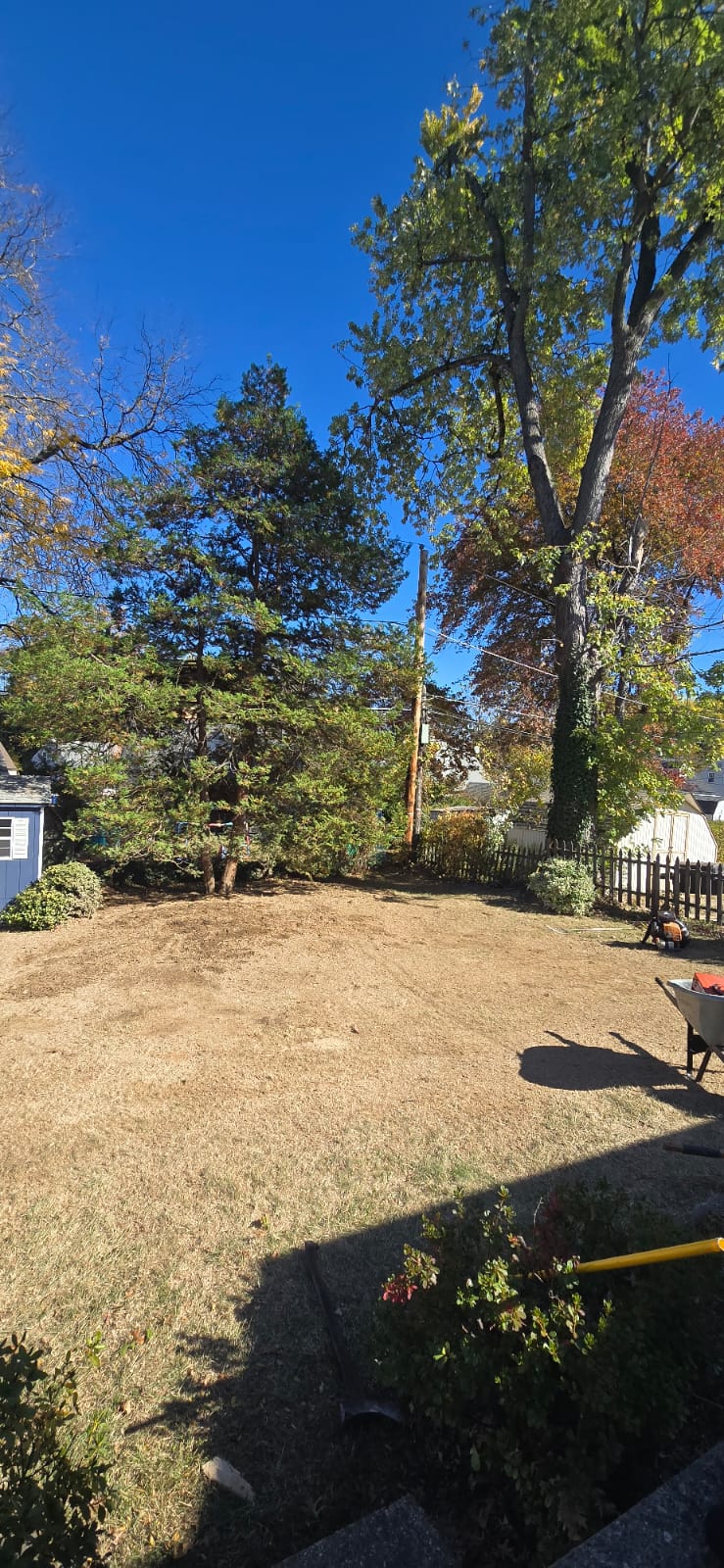
Why Mulching is Important in Lawn Maintenance
Mulching is a fundamental practice in lawn and garden maintenance that offers multiple benefits. From conserving moisture to suppressing weeds, mulching plays a crucial role in ensuring a healthy and vibrant landscape. In this blog post, we will explore the importance of mulching and how it can enhance your lawn care efforts.
What is Mulching?
Mulching involves applying a layer of material on the surface of the soil around plants. This material can be organic, such as wood chips, straw, or grass clippings, or inorganic, like stones or plastic sheeting. The primary goal of mulching is to maintain soil health and improve the overall appearance of your garden.
Key Benefits of Mulching
- Conserves moisture in the soil
- Suppresses weed growth
- Regulates soil temperature
- Enhances soil fertility as organic mulches decompose
- Improves the aesthetic appeal of garden beds
1. Moisture Conservation
One of the most significant advantages of mulching is its ability to retain moisture. A thick layer of mulch can prevent evaporation, ensuring that your plants receive adequate hydration, especially during hot summer months.
2. Weed Suppression
Mulch acts as a barrier to sunlight, significantly reducing the chances of weed germination. By minimizing weed growth, your plants can thrive without competing for nutrients and water.
3. Temperature Regulation
Mulching helps to regulate soil temperature by providing insulation. In winter, it protects roots from freezing, while in summer, it keeps the soil cool. This temperature stability is beneficial for plant health.
4. Soil Fertility Enhancement
Organic mulches break down over time, adding essential nutrients to the soil. This natural process enriches the soil, promoting better plant growth and healthier gardens.
5. Aesthetic Improvement
A well-mulched garden not only looks tidy but also adds color and texture. Various types of mulch are available, allowing homeowners to choose materials that complement their landscape design.
Types of Mulch
- Wood chips
- Straw
- Grass clippings
- Bark mulch
- Rubber mulch
- Rock or gravel mulch
Organic vs. Inorganic Mulch
Organic mulches, such as wood chips and straw, decompose over time and nourish the soil. In contrast, inorganic mulches, like stones and plastic, do not break down but can be useful for long-term weed suppression and aesthetic purposes.
How to Apply Mulch
Applying mulch correctly is vital for maximizing its benefits. Here’s a step-by-step guide:
- Clear the area of weeds and debris.
- Water the soil before applying mulch.
- Spread a layer of mulch 2-4 inches thick around plants, avoiding direct contact with stems.
- Replenish mulch as needed to maintain the desired thickness.
Common Mistakes to Avoid
- Using too much mulch, which can suffocate roots.
- Applying mulch too close to plant stems, leading to rot.
- Neglecting to pull back mulch in winter to allow for natural soil temperature changes.
Conclusion
Incorporating mulching into your lawn maintenance routine can greatly enhance the health and appearance of your landscape. By conserving moisture, suppressing weeds, regulating temperature, and improving soil fertility, mulching is an invaluable practice for any gardener. Whether you opt for organic or inorganic materials, the benefits of mulching are clear. Start mulching today to enjoy a lush, thriving lawn!